Is This Right for Your Child?
Every child who walks through the door is different. The concerns below are some of the most common reasons families reach out, but they're not a checklist. If any of this sounds familiar, or if your child has already been diagnosed, this may be a good fit.
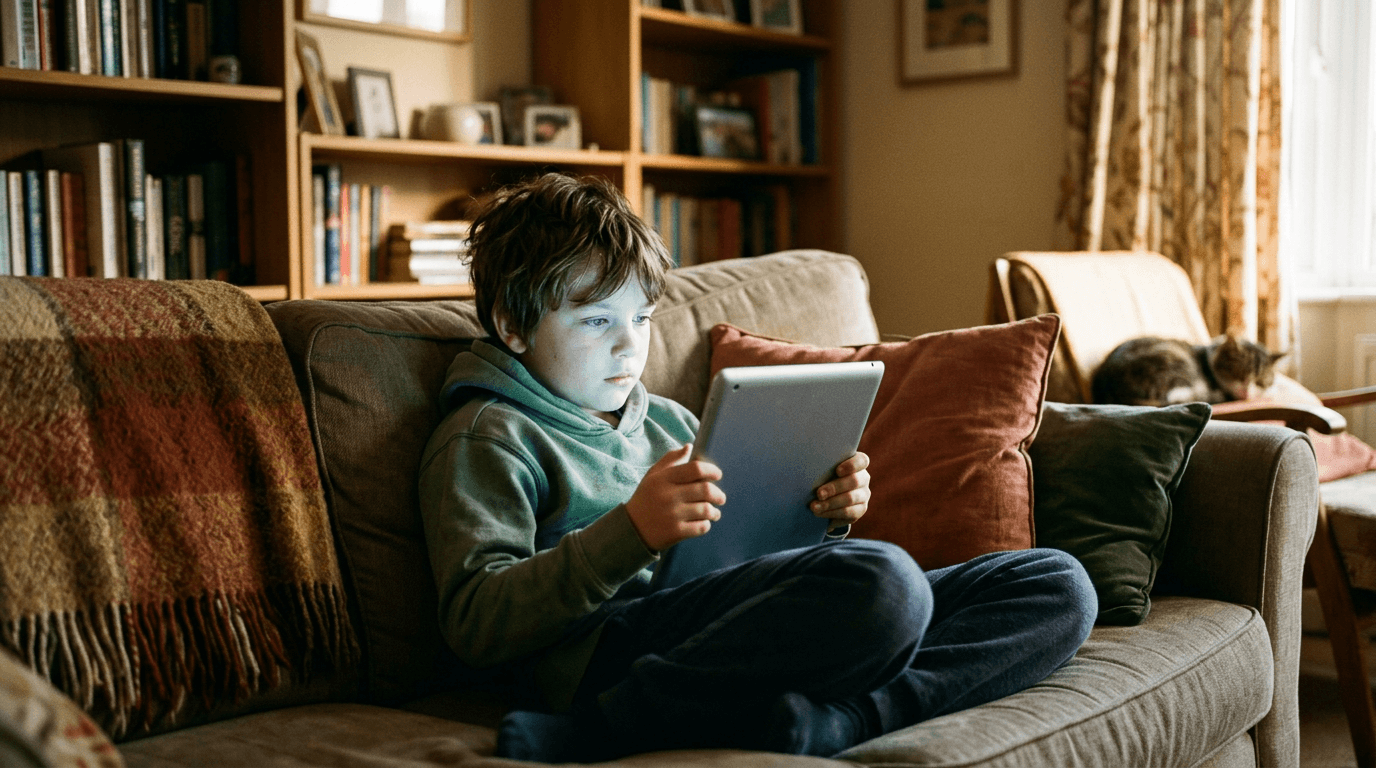
Screen dependence and digital overwhelm
Your child is on their phone or tablet constantly. They're checked out, disengaged from the world around them, and increasingly hard to reach. At Freeform Studio, kids step into a space with no screens: just real materials, real experiences, and a therapist who knows how to draw them back into the present.
Anxiety, worry, and emotional overload
They seem overwhelmed by things that didn't used to bother them. They're anxious, on edge, or shutting down under pressure. Hands-on, experiential work gives anxious kids a way to regulate, something to do with their bodies while their minds settle.
Attention and focus challenges
They can't sit still, can't concentrate, can't stay with one thing. Traditional therapy asks kids to do the thing they're worst at: sit and talk. Here, the work is active. Kids move, build, make, and explore. Focus comes naturally when the experience is engaging enough.
Difficulty opening up or expressing feelings
Your child keeps everything inside. They can't or won't talk about what's going on. That's okay, and it's common. Not every kid processes through conversation. Sometimes the way in is through a project, a walk, or getting their hands dirty.
Acting out, defiance, or behavioral struggles
The behavior you're seeing is usually a signal, not the problem itself. Something underneath is driving it. Experiential work helps kids access what's going on below the surface without the pressure of being asked to explain it directly.
Life transitions, loss, or difficult experiences
A move, a divorce, a loss, a trauma. Kids don't always have the language for what they're going through, especially during big life changes. Working with their hands and bodies gives them a way to process what words can't yet reach.
Traditional therapy that didn't feel right
Maybe your child has tried therapy before and it didn't click. Maybe they sat in a room, answered questions, and nothing changed. This is a fundamentally different experience: active, hands-on, and built around how kids actually process the world.
The method changes. The intention doesn't.
How Rose Works
Rose doesn't follow a script. She reads the child and meets them where they are on any given day. The session might look completely different from one week to the next. Whatever opens the door is what she uses.
Art and creative making
Paint, clay, drawing, sculpture. Working with materials to externalize what's happening inside.
Outdoor exploration
Trails, creeks, riverbanks, and open spaces around Stillwater become part of the therapeutic process.
Hands-on building and projects
Constructing, assembling, and making things from scratch. Building confidence through real accomplishment.
Movement and sensory engagement
Physical activity, texture, and sensory experience as tools for regulation and presence.
Conversation
When kids are ready for it. Talking happens naturally when a child feels safe, engaged, and present.
The Space
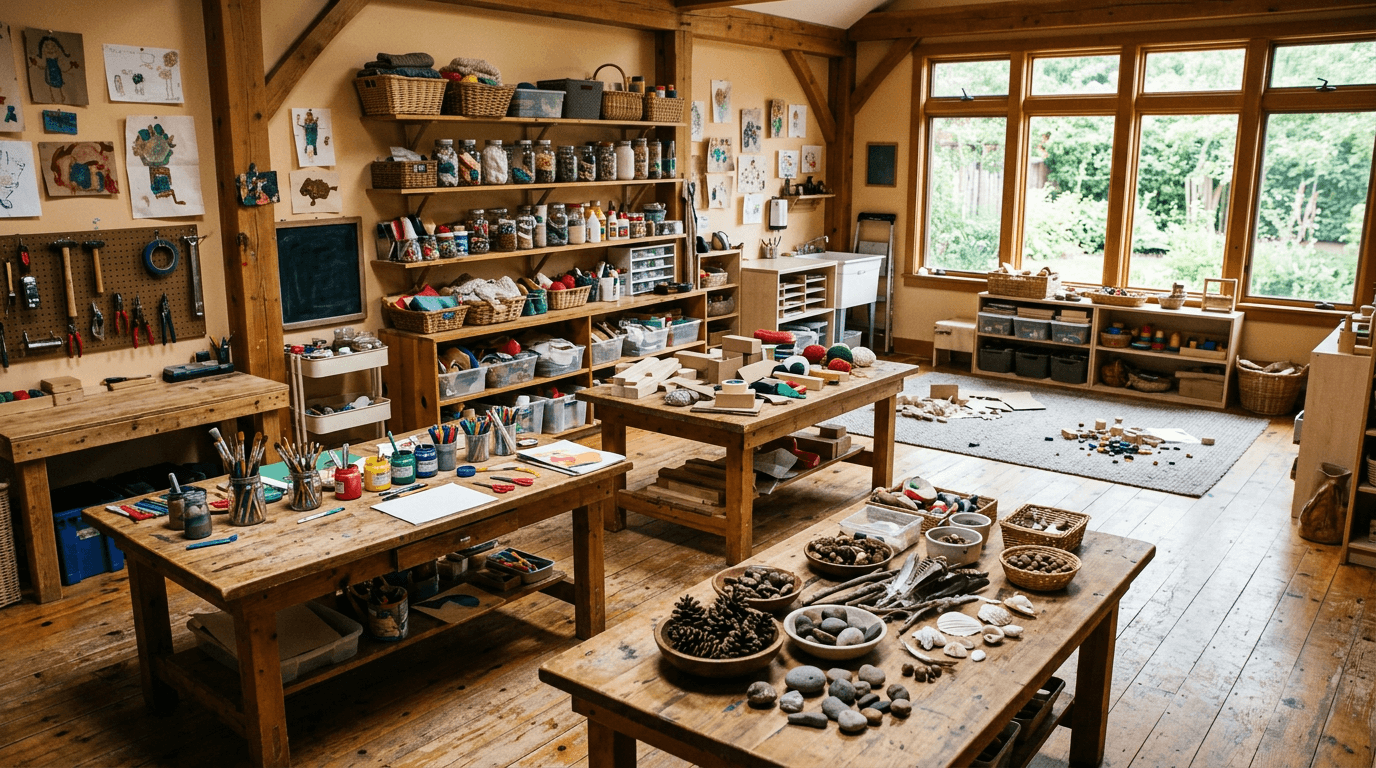
The studio is a warm, open space filled with varied materials: art supplies, building tools, natural objects, and things to explore. It's designed for kids to feel free and engaged, not clinical or constrained.
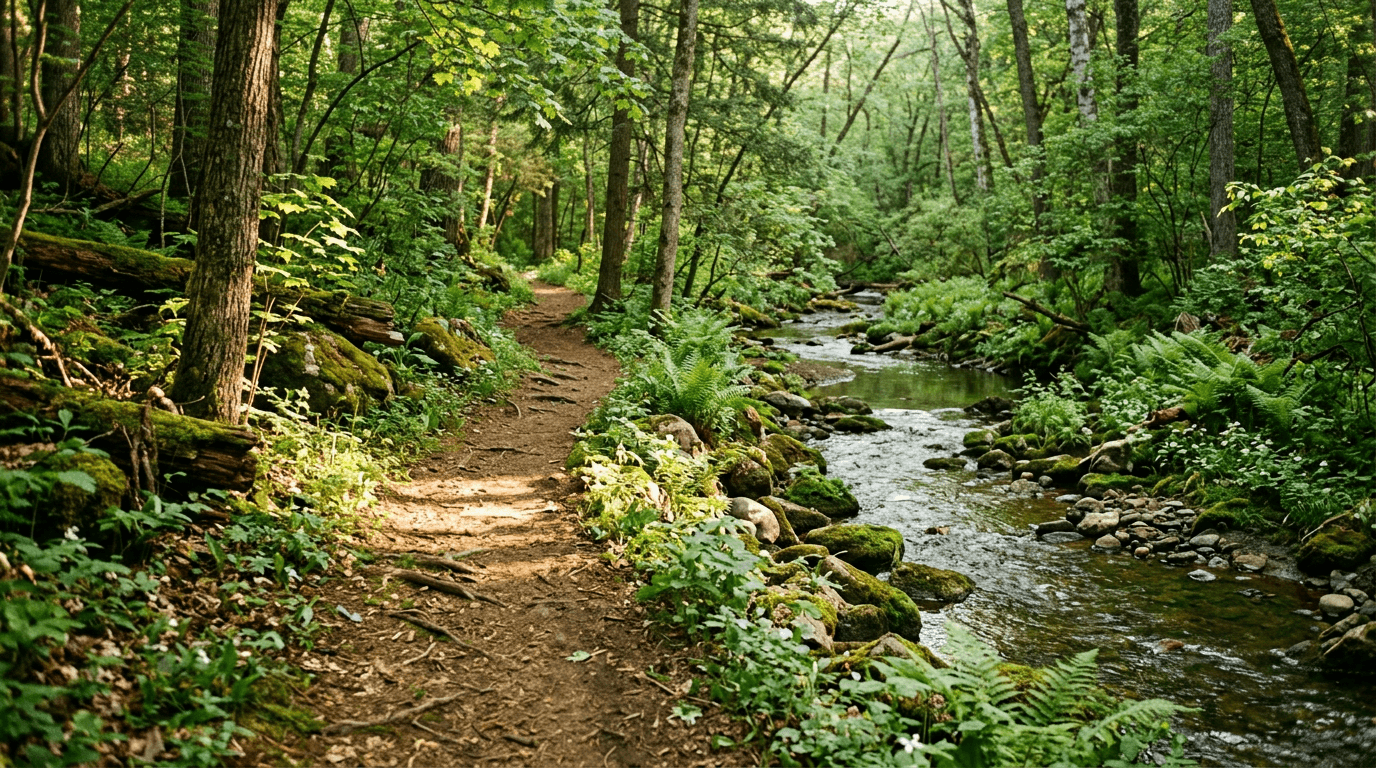
Stillwater sits along the St. Croix River, surrounded by wooded trails, creeks, and open green spaces. When it serves the work, the natural environment becomes part of the session. A walk along Brown's Creek, the texture of bark and stone, the movement of water. These are tools too.
Let's talk about your child.
You don't need to have everything figured out. A general sense of your concerns is a good place to start.